


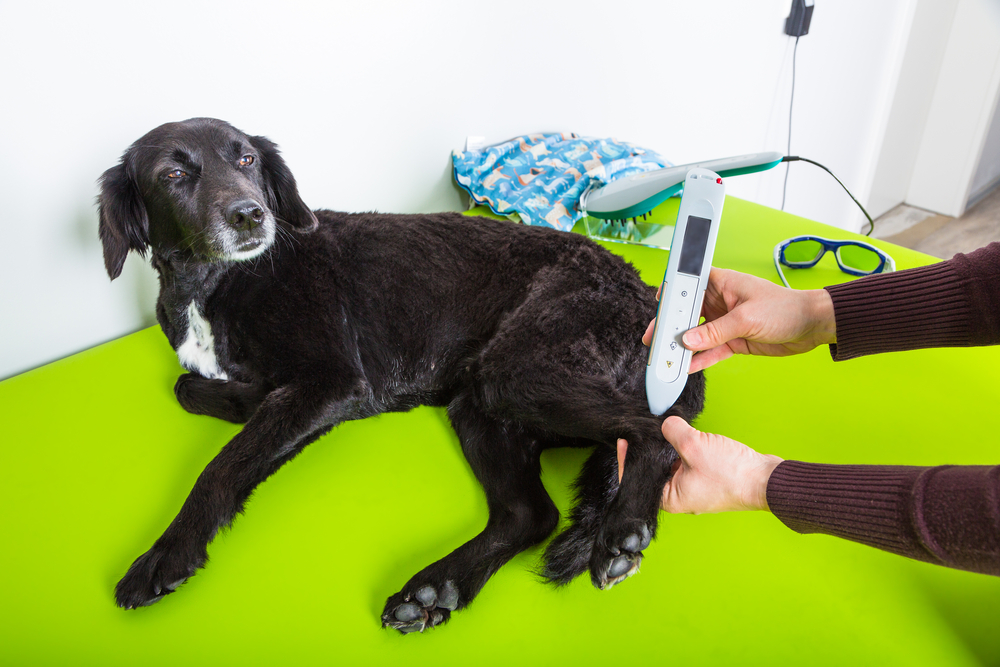
Hip dysplasia can make everyday movement harder for dogs and, in some cases, cats. This condition occurs when the hip joint does not fit or move as smoothly as it should, which can lead to pain, stiffness, inflammation, and reduced mobility over time. Pets with hip dysplasia may still want to play, walk, or climb stairs, but discomfort can make those activities more difficult.
At Highland Veterinary Clinic, we understand how hard it is to see your pet slow down. Cold laser therapy may be one supportive option to help manage discomfort and improve quality of life for pets with hip dysplasia.
What Is Cold Laser Therapy?
Cold laser therapy, also called therapeutic laser therapy, uses focused light energy to support the body’s natural healing response. It is non-invasive, drug-free, and does not require surgery. During treatment, light is applied to targeted areas, such as the hips, to help reduce inflammation and support tissue function.
Many pets tolerate cold laser therapy well because sessions are typically gentle and relaxing. Some pets may even become calmer as the treatment progresses.
How Cold Laser Therapy May Help Hip Dysplasia
Hip dysplasia often causes inflammation around the joint, which can contribute to pain and stiffness. Cold laser therapy may help by encouraging circulation, easing soft tissue tension, and supporting comfort in the affected area.
For pets with chronic hip discomfort, this type of therapy may be used as part of a broader care plan. It is not a cure for hip dysplasia, but it may help pets move more comfortably and maintain a better daily routine.
Signs Your Pet May Be Struggling With Hip Pain
Hip dysplasia symptoms can vary depending on your pet’s age, size, activity level, and severity of the condition. Some pets show obvious discomfort, while others adjust their behavior slowly over time.
Common signs may include:
- Limping or favoring one back leg
- Trouble standing up after resting
- Reluctance to climb stairs, jump, or run
- Stiffness after exercise
- Bunny-hopping movement in the back legs
- Decreased interest in walks or play
- Sensitivity when the hip area is touched
If you notice these changes, a veterinary exam can help determine what is causing your pet’s discomfort.
A Supportive Part Of A Larger Treatment Plan
Cold laser therapy for hip dysplasia in pets is often most effective when paired with other veterinary recommendations. Depending on your pet’s needs, we may discuss weight management, joint support, controlled exercise, pain management, or additional diagnostics.
Our goal is to create a plan that fits your pet’s condition and lifestyle. Every pet is different, so we focus on practical options that help support comfort, mobility, and long-term wellness.
When To Ask About Cold Laser Therapy
If your pet has already been diagnosed with hip dysplasia, or if you are seeing signs of hip pain, it may be time to ask whether cold laser therapy is appropriate. Early support can make a meaningful difference, especially for pets who are starting to show stiffness, reduced activity, or difficulty with daily movement.
We can evaluate your pet, talk through treatment options, and help you understand what to expect from a personalized care plan.
To learn more about cold laser therapy for hip dysplasia in pets, contact Highland Veterinary Clinic in Evansville, IN by calling (812) 710-4300.
